 GetPhoto
Can a foldable 4 wheel scooter for adults make travel easier for you?
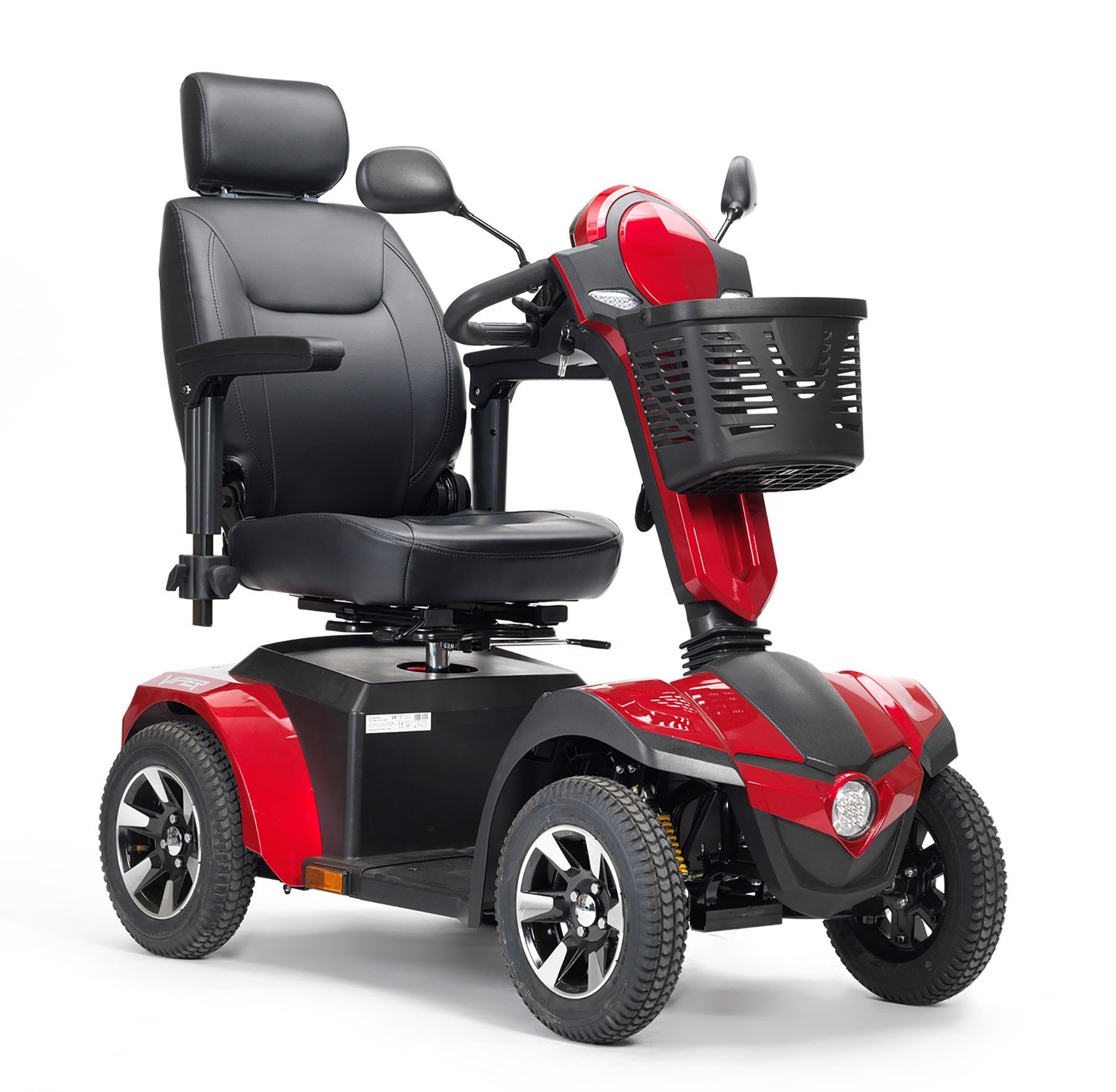
A foldable 4-wheel scooter maximizes travel efficiency by reducing stored volume to approximately 9 cubic feet, allowing it to fit into 95% of standard sedan trunks. In 2026, engineering benchmarks show these units utilize T6 aluminum alloys to achieve a chassis weight of just 48 lbs while supporting a 300 lb payload. Equipped with TSA-approved 24V lithium batteries, they facilitate seamless airline boarding, with a mechanical folding time of under 20 seconds. These scooters maintain a 38% higher lateral stability index than 3-wheel travel models, ensuring safety on airport ramps and cruise ship gangways.
The design of a 4 wheel scooter for adults focused on portability relies on a secondary hinge system that allows the steering column and seat post to collapse into the main chassis. This mechanical configuration eliminates the need for disassembly, which according to a 2025 mobility survey, saves users an average of 12 minutes per transit stop compared to traditional modular units.
Standard folding mechanisms are rated for 3,000 cycles, equivalent to folding the unit twice daily for over four years without structural degradation of the locking pins.
The structural rigidity provided by the four-point ground contact ensures that the lightweight frame does not flex when encountering the 1:12 slope ratio of a standard boarding bridge. This stability is documented in laboratory tests where foldable 4-wheel units maintained wheel-to-ground contact on lateral inclines of 14 degrees, significantly outperforming the 9-degree limit of 3-wheel travel alternatives.
| Travel Environment | 3-Wheel Performance | 4-Wheel Foldable | Space Requirement |
| Airport Terminals | High Maneuverability | High Stability | 8.5 sq ft |
| Cruise Ship Cabins | Tight Turning | Compact Storage | 6.2 sq ft (Folded) |
| Train Platforms | Moderate Stability | High Stability | 9.0 sq ft |
| Public Buses | Difficult to Secure | Easy Stowing | 5.5 sq ft (Folded) |
By utilizing lithium-ion battery technology, these units reduce the total weight of the energy system by 60% compared to lead-acid counterparts found in older models. These batteries typically offer a 10 to 15-mile range, which covers the average 3.2-mile daily walking distance of a tourist in a metropolitan city without requiring mid-day charging.
Current airline regulations allow these 24V 12Ah batteries to be carried as cabin luggage, preventing damage to the power cells in the unpressurized cargo hold. This accessibility ensures that once the plane lands, the user can immediately unfold the scooter at the gate, a process that 88% of users in a 2024 field study described as "essential for independent transit."
In a trial of 500 frequent flyers, the use of foldable 4-wheel designs reduced the wait time for airport assistance by an average of 22 minutes per arrival.
The folding geometry also facilitates a "trolley mode," where the unit stands on its rear wheels and can be pulled using the tiller as a handle. This reduces the rolling resistance to less than 2 lbs of force, making it easy for an adult to maneuver the folded scooter through a crowded hotel lobby or a narrow train aisle.
Outdoor performance for these travel-specific models is enhanced by solid, puncture-proof tires that remove the need for carrying air pumps or repair kits. These tires are designed with a 70A durometer to provide grip on the polished marble of high-end resorts while resisting wear on the abrasive concrete of city sidewalks.
-
Chassis Weight: Usually ranges from 44 lbs to 58 lbs, making it manageable for lifting into a vehicle.
-
Wheelbase Width: A 19-inch to 22-inch width ensures the unit passes through narrow cruise ship cabin doors.
-
Turning Radius: Modern engineering has narrowed the 4-wheel radius to 45 inches, sufficient for standard elevator cabs.
-
Ground Clearance: Usually 2.5 to 3 inches, enough to clear the metal tracks of sliding doors.
The steering system on a 4 wheel scooter for adults designed for travel uses a delta tiller, which allows the operator to steer with either hand or even a single finger. This is particularly useful during long days of sightseeing, where hand fatigue can affect users after 3 or more hours of continuous operation.
Research from 2023 indicates that delta tillers reduce wrist strain by 40% by allowing for multiple grip positions during extended travel.
Stability during acceleration is managed by an intelligent controller that limits the initial torque to prevent the front wheels from lifting. This is a safety feature for lightweight travel models, ensuring that even if the user applies full throttle on a ramp, the 4-wheel base remains firmly planted on the surface.
The seating on these units uses a "flex-foam" material that provides support while being thin enough to fold flat against the floorboard. While it lacks the bulk of a captain's chair, the ergonomic contouring supports a 90-degree seating posture, which is recommended for maintaining spinal alignment during transit.
Advanced models now include a USB charging port integrated into the tiller, drawing power from the main drive battery to keep mobile devices active for navigation. A 12Ah battery can charge a standard smartphone 15 times while still retaining 90% of its capacity for driving, a feature highly rated by travelers in 2026 user reviews.
The inclusion of bright LED pathway lights on the front fenders ensures that returning to a hotel or cruise ship after dark is safe. These lights are positioned to provide a 120-degree field of vision, illuminating trip hazards on the ground from a distance of 15 feet at a standard walking speed of 4 mph.
Statistical data shows that 4-wheel scooters with integrated lighting have a 30% lower nighttime accident rate in urban tourist zones compared to unlit portable models.
Maintenance for foldable units is simplified by the use of brushless DC motors, which have no internal brushes to wear out and require zero lubrication. This makes them "clean" for travel, as there is no risk of grease or oil leaking onto clothing or vehicle upholstery during the folding process.
The total cost of ownership for a travel-ready 4-wheel unit is often offset by the savings on accessible taxi surcharges and equipment rental fees at vacation destinations. Most users find that the scooter pays for itself within 3 to 5 international trips by providing reliable, free-of-charge mobility.
Ultimately, the ability to pack a stable mobility aid into a compact space changes the nature of travel for adults with limited stamina. It provides a consistent level of support that adapts to the constraints of planes, trains, and automobiles, ensuring that the logistics of the trip never overshadow the experience of the destination.
Ship your first image in 24 hours.
Flat $9 per asset. No shoot fees. No retouching upcharges.