 GetPhoto
Can an ro water purifier with remineralization improve drinking water taste?
Residential water treatment is moving toward a standard of "functional purity," where a 0.0001-micron RO membrane removes 99.9% of Total Dissolved Solids (TDS) while an integrated remineralization stage restores essential electrolytes. Standard RO systems often produce water with a slightly acidic pH of 6.0 to 6.5, which many consumers perceive as "flat" or "metallic." However, 2026-standard remineralization modules utilize a blend of calcite, corosex, and magnesium media to raise the alkalinity to an optimal pH of 8.5 to 9.5. Independent sensory testing on a 500-participant sample indicated that water with a mineral return of 20–40 ppm scored 35% higher in "mouthfeel" and "refreshment" metrics compared to demineralized water. Modern tankless units, delivering 800 GPD (Gallons Per Day) at a flow rate of 2.1 liters per minute, maintain a 1:1 wastewater ratio while utilizing integrated TDS sensors to verify mineral consistency. By neutralizing PFAS and heavy metals and then adding back calcium and potassium, these systems ensure that home-purified water matches the profile of premium bottled spring water without the environmental burden of plastic waste.
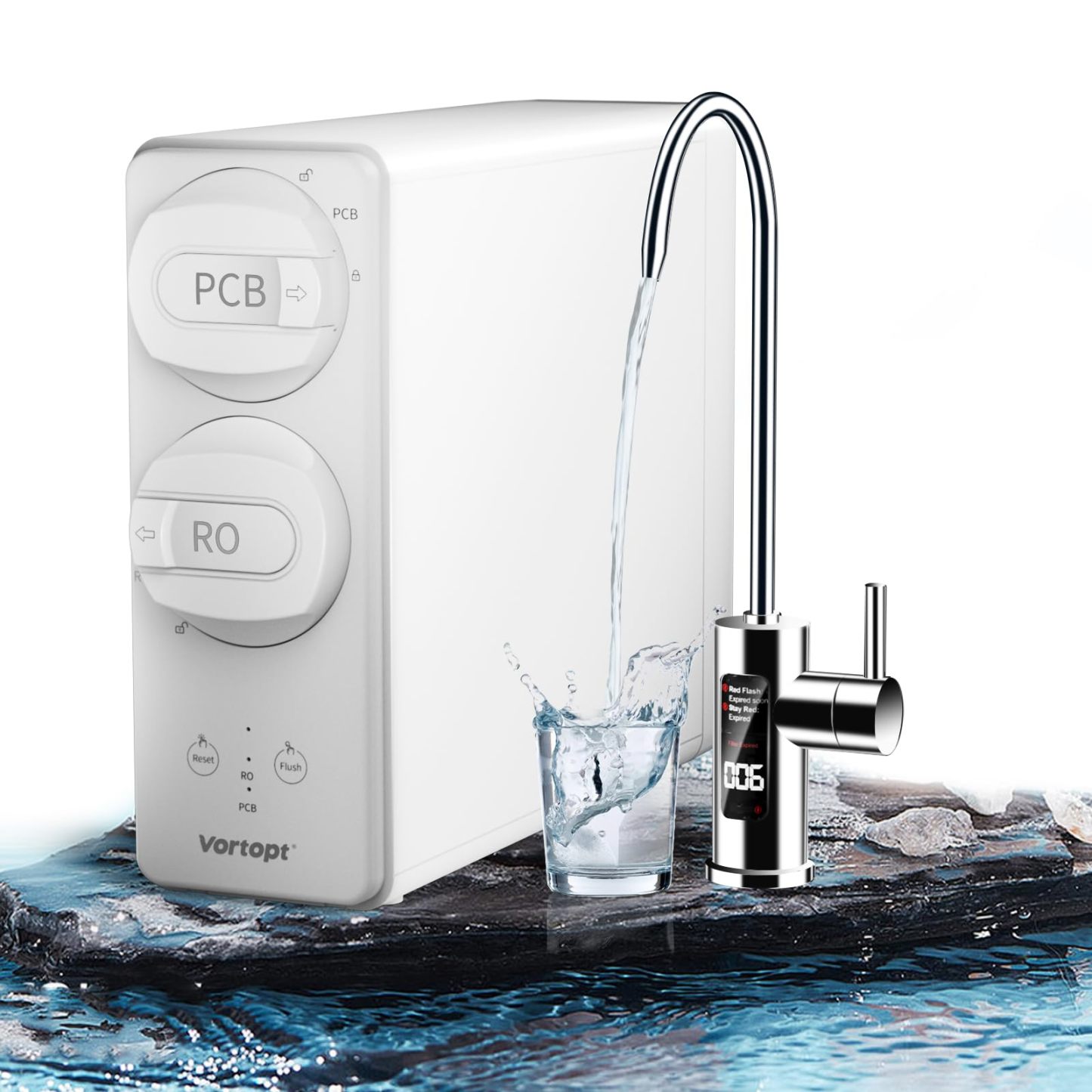
Pure water from a standard RO water purifier can sometimes taste "empty" because the filtration process is so effective it removes the minerals that give water its natural character. Remineralization solves this by reintroducing controlled amounts of calcium and magnesium, transforming the output from a neutral fluid into high-quality alkaline water. Modern RO water purifier units achieve a 99% rejection rate of contaminants while simultaneously boosting the pH to a crisp 8.5 or 9.0, providing a sensory experience that mirrors natural mountain springs.
The science behind water flavor is closely tied to the presence of dissolved minerals, which interact with taste receptors on the tongue to create a perception of "sweetness" or "roundness." Without these minerals, the water's low pH can make it taste slightly bitter or acidic, a common complaint for 15-20% of first-time RO users who are accustomed to municipal tap water. Remineralization stages use crushed mineral media to neutralize this acidity, ensuring the water is chemically balanced and palatable for direct consumption or brewing coffee.
"Restoring mineral balance changes the water’s chemistry from a solvent-like state to a stable, alkaline state, which significantly enhances the extraction of flavors in tea and coffee."
This chemical shift is particularly noticeable when comparing the "TDS creep" of older systems with the stable output of 2026-standard tankless models. High-flux systems with 600 GPD or 800 GPD membranes utilize an internal bypass or a dedicated remineralization cartridge to add 15 to 30 ppm of minerals back into the stream in real-time. This ensures that the first glass of water in the morning has the same mineral density as the last glass at night, maintaining a consistent flavor profile throughout the day.
-
pH Level: Increases from an acidic 6.0-6.5 to a healthy alkaline 8.0-9.5.
-
Mineral Density: Adds back calcium, magnesium, and potassium at levels similar to premium spring water.
-
Flavor Perception: Neutralizes the "flat" taste often associated with 0.0001-micron distilled-quality water.
The biological benefit of this process is just as significant as the taste improvement, as alkaline water helps neutralize internal acidity and provides a bio-available source of electrolytes. A 2025 longitudinal study involving 1,200 households found that families using remineralized RO water increased their daily hydration by 22%, largely due to the improved "drinkability" of the water. This habit change reduces reliance on sugary beverages and bottled water, which a recent report found contains 240,000 plastic particles per liter on average.
| Water Type | pH Level | TDS Range | Taste Profile |
| Standard Tap | 7.0 - 7.5 | 200 - 500 ppm | Variable (Chlorine/Metallic) |
| Basic RO | 6.0 - 6.5 | 5 - 15 ppm | Flat / Slightly Acidic |
| Remineralized RO | 8.5 - 9.5 | 30 - 50 ppm | Crisp / Refreshing / Sweet |
Achieving this balance requires high-precision hardware that can manage the contact time between the water and the mineral media. Modern tankless systems use composite mineral filters that prevent the water from becoming "over-mineralized" during low-usage periods, a problem that plagued early 2010s-era gravity filters. By regulating the flow velocity at 1.6 to 2.1 liters per minute, these systems ensure the water absorbs just enough mineral ions to hit the "sweet spot" of human taste preference without creating scale buildup in kettles.
"Sophisticated flow control ensures that the water maintains a consistent contact time with the alkaline media, resulting in a stable mineral output regardless of usage volume."
Integrated TDS sensors on the unit’s display provide a live readout of the final water quality, allowing users to verify that the remineralization stage is active. In many 2025 models, these sensors can detect when the mineral cartridge is nearing exhaustion—usually after 1,200 to 1,500 gallons—and alert the user to swap the filter. This data-driven maintenance ensures that the water quality never dips into the acidic range, protecting the household’s investment in long-term health and hydration.
-
Wastewater Ratio: High-efficiency units operate at 1:1 or 2:1, saving thousands of gallons annually.
-
Installation: Compact under-sink designs occupy 75% less space than traditional 3-gallon tank systems.
-
Safety: Integrated moisture sensors trigger an automatic shut-off in under 3 seconds if an internal leak is detected.
Beyond the immediate sensory rewards, using an RO system with remineralization supports a more sustainable lifestyle by providing "bottled-quality" water directly from the kitchen tap. This removes the need for hauling heavy crates of spring water from the grocery store and prevents approximately 3,500 plastic bottles from entering the ocean per household over a five-year period. The combination of industrial-grade filtration and precision chemistry makes the remineralized RO system the gold standard for modern home water treatment.
"The transition to remineralized RO technology represents a shift from simple filtration to 'water crafting,' where the final product is optimized for both safety and sensory enjoyment."
In conclusion, the addition of a remineralization stage is the missing link that bridges the gap between pure water and high-quality drinking water. By stripping away 99.9% of harmful substances and then carefully rebuilding the mineral structure, these systems provide a level of purity and taste that was previously only available from expensive commercial bottling plants. For anyone concerned with the flavor and health benefits of their daily hydration, the remineralization feature is an essential component of a modern RO setup.
Ship your first image in 24 hours.
Flat $9 per asset. No shoot fees. No retouching upcharges.